


 English
 Thai
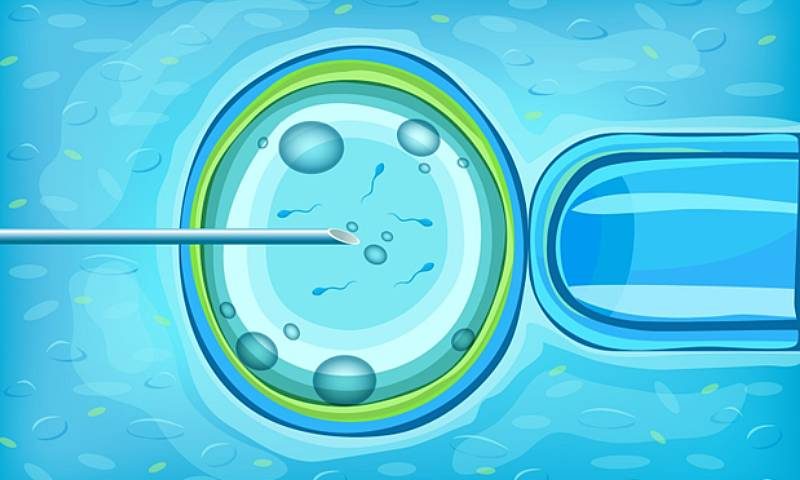
Deciding on a fertility treatment can be overwhelming, but understanding the basics can help you make the right choice. Two common treatments are IVF and ICSI. Let’s break down what they are and how they differ.
What is IVF?
- IVF stands for In Vitro Fertilization. This process involves combining an egg and sperm outside the body in a lab. Here’s how it works:
- Stimulation: The woman takes medication to stimulate her ovaries to produce multiple eggs.
- Egg Retrieval: Once the eggs are ready, a doctor retrieves them using a minor surgical procedure.
- Fertilization: The eggs are then mixed with sperm in a lab. The sperm fertilizes the eggs naturally.
- Embryo Transfer: After a few days, the fertilized eggs (now embryos) are placed back into the woman’s uterus.
IVF is commonly used for various fertility issues, such as blocked fallopian tubes, ovulation disorders, or unexplained infertility.
What is ICSI?
- ICSI stands for Intracytoplasmic Sperm Injection. It’s a specialized form of IVF. The key difference is how fertilization happens:
- Stimulation and Egg Retrieval: These steps are the same as in IVF.
- Sperm Injection: Instead of mixing the sperm and eggs, a single sperm is directly injected into each mature egg using a tiny needle.
- Embryo Transfer: The embryos are placed back into the woman’s uterus after fertilization, like in IVF.
ICSI is typically used when there are issues with the sperm, such as low sperm count, poor sperm mobility, or abnormal sperm shape. It can also be helpful if previous IVF cycles have failed.
IVF vs ISCI: Which Treatment is Right for You?
- Choosing between IVF and ICSI depends on your specific situation. Here are some things you need to consider:
- Male Factor Infertility: When there are problems with the sperm, ICSI might be a better option. By directly injecting a sperm into the egg, ICSI can overcome many sperm-related issues.
- Previous Fertility Treatment: If you’ve tried IVF before without success, your doctor might suggest trying ICSI next. Sometimes, the extra step of sperm injection can make a difference.
- Fertilization Problems: When a sperm can’t penetrate the egg, ICSI can be a viable option to help overcome this barrier.
- Unexplained Infertility: In a case where the doctors can’t find a specific reason for your infertility, they might recommend starting with IVF. If that doesn’t work, ICSI could be the next step.The best way to decide is to talk to your fertility doctor or specialist. They will review your medical history, conduct necessary tests, and suggest the most suitable treatment based on your circumstances. Understanding these options can help you choose the best option to guarantee the best result.

